Alnwick Poison Garden: Britain's Deadly Botanical Wonder
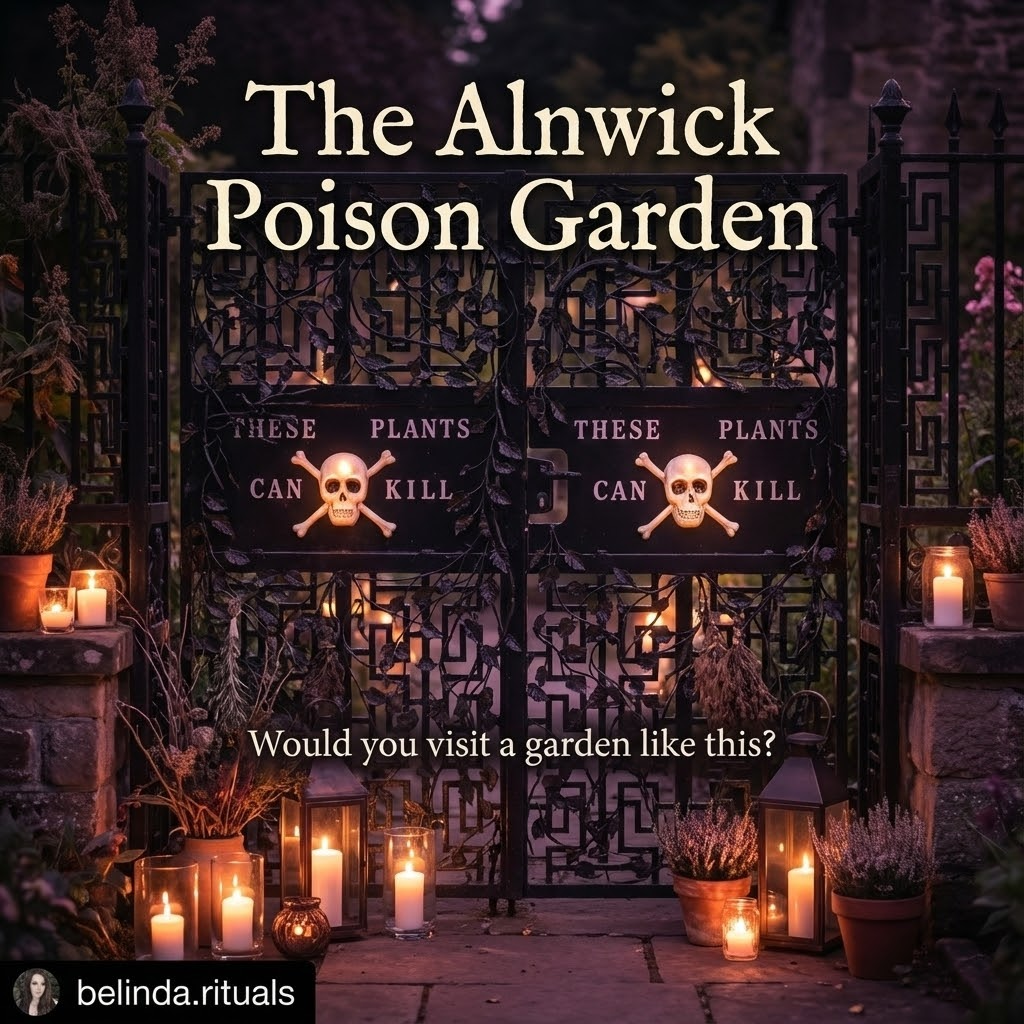
Have you ever wandered into a place where beauty flirts with danger—where every bloom might be a lesson in mortality or magic? Tucked in the grounds of Alnwick Castle in Northumberland, England, the Alnwick Poison Garden is exactly that: a living cabinet of nature’s most seductive and sinister specimens. It’s a botanical cabinet of curiosities, where history, folklore, medicine, and myth intertwine.
What makes Alnwick’s Poison Garden so extraordinary?
The Poison Garden is not a typical public garden. Behind iron gates sits a curated collection of over 100 species of toxic, narcotic, and deadly plants. Access is strictly guided for safety, and each plant is presented with stories that range from medicinal breakthroughs to whispered curses. The result is a place where wonder and warning sit side by side.
Origins: from Medici poison lore to modern curiosities
The garden was conceived by Duchess Jane Percy in the late 1990s, inspired by the ancient Medici practice of cultivating poisonous plants. Her idea was part education, part thrill—an exercise in confronting the darker side of botanical power. Rather than offering soothing scents, the Poison Garden offers a curriculum in how nature’s gifts have been used for love, revenge, healing, and harm.
Notable residents: beauty that bites
Each plant carries a story—historical, medicinal, and mythic. Here are some of the garden’s most notorious inhabitants:
- Belladonna (Deadly Nightshade): A beauty’s trick—used historically to dilate pupils. A plant with ties to love potions and tragic lore.
- Hemlock: The plant associated with Socrates’ final moments—an unsettling blend of intellect and poison.
- Foxglove: Source of cardiac glycosides—medicine at a precise dose, lethal beyond it.
- Oleander: Handsome, floral, and dangerously cardiotoxic.
- Angel’s Trumpet: Dreamlike blossoms that carry hallucinogenic, hypnotic compounds.
Each plaque in the garden ties the botany to stories of ancient medicine, superstition, and the thin line between remedy and ruin.
Why the fascination with deadly beauty?
Forbidden things attract. The Poison Garden answers a deep human impulse: to know what scares us, to learn how to contain and understand it. For those interested in the mystical or the power of transformation, the garden is a symbolic geography—where poison and power weave together.
This curiosity mirrors spiritual work: harnessing fear into wisdom, turning harm toward healing. For visitors seeking rituals or energetic tools, resources like We Love Spells offer ways to channel those intentions—whether through a cleansing or a reuniting ritual. For more on the garden itself, see this detailed piece: https://welovespells.net/blogs/news/exploring-alnwick-s-poison-garden-britain-s-deadly-botanical-wonder
Lessons among the thorns
A walk through Alnwick’s Poison Garden is more than a botany lesson; it’s a living parable. Each specimen speaks of duality—healing and harm, love and loss, protection and peril. Plants long feared as killers now yield powerful medicines when placed in careful hands, reminding us how transformation arises from understanding and respect.
Visitors often describe a spiritual resonance: the air feels charged with stories, grief, and remedy. From the Mandrake’s witchcraft lore to the opium poppy’s historical sway over empires and souls, the garden invites contemplation on consequence and balance.
Practical visiting tips (safety first)
If you plan to go, observe these essential rules:
- Book a guided tour. The Poison Garden is always visited under supervision.
- Do not touch, taste, or smell the plants. Even incidental contact can provoke reactions.
- Stay on the paths. Respect barriers and follow the guide’s instructions.
- Visit in spring or summer for the fullest displays and the richest storytelling.
Combine your visit with other Alnwick attractions for a fuller day. If you wish to bring a little ritual energy home, consider offerings like the Cleansing Spell or the Reuniting Love Spell.
Poison as symbol: destruction, renewal, and power
In folklore and alchemy, poison is often a symbol of transformation. What destroys can also reveal or renew. Many toxic plants became foundational medicines after careful study—proof that shadow often hides light.
This duality is central to spiritual healing: cutting cords with a Cord Cutting Spell, seeking forgiveness with a Forgive Me Spell, or protecting oneself with a Protection Spell—all mirror the garden’s lesson that harm and healing are two faces of the same power.
Embracing the garden’s energy
Many sensitives feel the Poison Garden’s aura as both chilling and cleansing—a place dense with history and intent. If you’re energetically aware, consider grounding practices or protective charms before visiting to maintain clarity and safety.
Transformation and the alchemy of pain
Alnwick’s Poison Garden reminds us: not every dangerous thing is evil, nor every beauty harmless. Pain can become wisdom; a toxin, medicine; heartbreak, a path to growth. This is the alchemy both gardeners and spellcasters practice—transforming what is raw into what is useful.
If you want to bring that transformation into your life, explore offerings like the Love Spells that Work collection, or tools to mend and protect: the Mend a Broken Heart Healing Love Spell, Triple Cast Aura Cleansing Spell, and Remove Toxic People Spell.
Bringing the garden home
Can’t travel to Alnwick? You can still apply its lessons:
- Respect duality—acknowledge both light and shadow within.
- Transform pain—use ritual and intention to turn heartbreak into growth.
- Cleanse negativity—practice regular energetic hygiene.
- Protect your peace—set boundaries and use spells or charms as needed.
Whether you stroll through iron gates or light candles at home, the Poison Garden’s message endures: in nature’s most dangerous gifts lie our deepest lessons.
Ready to explore nature’s darker wonders?
Remember the haunting beauty of Alnwick’s Poison Garden next time you seek something extraordinary. Its story is one of balance—life and death, beauty and danger, magic and meaning. Let that energy inform your journey: reflect, heal, and transform.
Explore more at We Love Spells and discover rituals like the Attract Your Soul Mate Spell or the Unconditional Love Spell. Visit us now and awaken your inner alchemist.


Comments
Post a Comment